Evaluating Continuous Line Art Supplies for Creative Projects
Continuous line art is a distinctive drawing technique where the artist creates an image without lifting the drawing tool from the surface. This method results in fluid, organic compositions that range from simple minimalist sketches to complex abstract illustrations. When researching continuous line art supplies, it is essential to distinguish between two distinct categories: the physical tools required to create original artwork and the digital assets used for reproduction, design, and education. Understanding the specific utility of each category helps artists, designers, and hobbyists make informed decisions that align with their creative goals.
Defining the Scope of Continuous Line Art Supplies
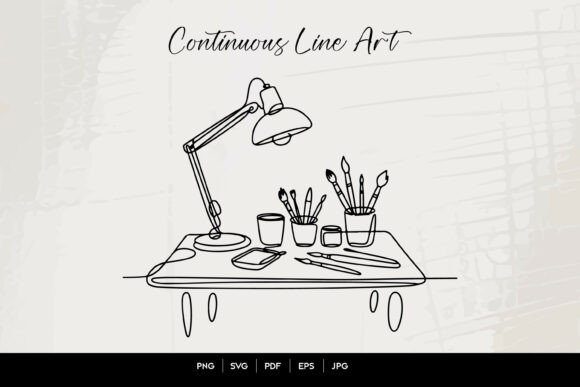
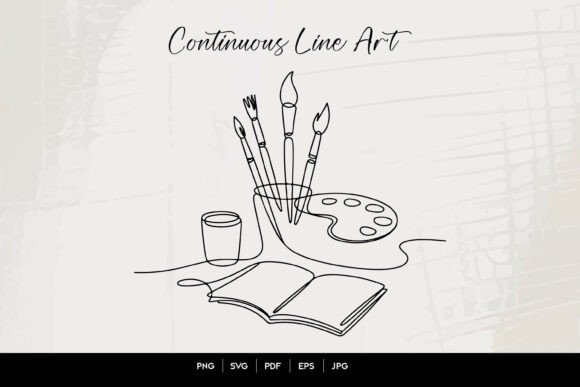
The term "supplies" in this niche encompasses a broad spectrum of resources. For traditional artists, supplies refer to the tactile instruments necessary for execution. Because the technique forbids lifting the pen or brush, the flow of ink and the ergonomics of the tool are paramount. A pen that skips or a brush that lacks resilience can break the visual continuity, ruining the piece. Conversely, in the digital and commercial design space, supplies often refer to downloadable file formats. These include vector files like SVG and EPS, as well as raster formats like PNG and JPG. These digital assets serve as templates, educational references, or ready-made graphics for products such as wall art, notebooks, cups, and apparel.
Evaluating these supplies requires clarity on intent. A student learning the fundamentals needs different resources than a graphic designer producing merchandise. Recognizing whether you require creation tools or reproduction assets is the first step in selecting the right continuous line art supplies.
Physical Tools for Creation and Practice
For those focused on the act of drawing, the selection of physical supplies directly impacts the quality of the line. The primary consideration is ink consistency. Fountain pens with wet nibs or specialized brush pens are often preferred over standard ballpoints because they maintain a consistent flow during long, unbroken strokes. Markers with flexible tips allow for line weight variation, adding depth to minimalist designs without breaking the continuous rule. Paint and brushes are also relevant for artists exploring continuous line painting, where the challenge lies in managing fluid viscosity to prevent drips during extended movements.
Paper choice is equally critical when evaluating physical supplies. Smooth surfaces generally facilitate the gliding motion required for continuous line work, while textured paper may cause friction that interrupts the rhythm. Artists should test various papers to find a balance between tooth and slipperiness. For educators and learners, sketchbooks with lower GSM paper are practical for high-volume practice, whereas archival-quality paper is reserved for finished artwork intended for display or sale.
Digital Assets and File Format Considerations
When continuous line art supplies are sought for design, decor, or commercial application, the evaluation shifts to digital specifications. The versatility of the file format determines its utility across different mediums. Vector formats such as SVG and EPS are indispensable for scalability. Because continuous line art relies on clean, precise outlines, vectors ensure that the artwork remains crisp whether printed on a small notebook cover or a large-format poster. These formats also allow designers to modify stroke width or color without degrading quality, making them ideal for customization.
Raster formats like PNG and JPG serve different purposes. High-resolution PNGs with transparent backgrounds are excellent for overlaying artwork onto colored merchandise or digital interfaces. JPGs are typically sufficient for web display or standard printing but lack the transparency and infinite scalability of their vector counterparts. PDF files often bridge the gap, serving as printable templates for education or high-quality documents for portfolio presentation. When purchasing or downloading digital supplies, verifying the inclusion of multiple formats ensures maximum flexibility for future projects.
Benefits and Practical Applications
The appeal of continuous line art supplies lies in their ability to produce modern, abstract aesthetics with apparent simplicity. For interior decor, these supplies yield artwork that feels open and uncluttered, fitting seamlessly into minimalist environments. The single-line aesthetic reduces visual noise, making it highly effective for branding and logo design where instant recognition is key. In educational settings, continuous line exercises develop hand-eye coordination and spatial awareness. Using template supplies allows students to trace and analyze pathing before attempting freehand creation, accelerating the learning curve.
From a production standpoint, digital continuous line art supplies offer significant efficiency. A single vector file can be adapted for laser cutting, vinyl plotting, embroidery digitizing, and screen printing. This multi-platform compatibility makes these supplies a cost-effective investment for crafters and small business owners who need consistent imagery across diverse product lines.
Tradeoffs and Limitations
Despite their versatility, continuous line art supplies have inherent limitations. Physically, the constraint of never lifting the tool restricts detail and shading. Artists accustomed to traditional rendering may find the available supplies limiting if they wish to incorporate texture or tonal gradation. The technique demands a level of confidence and planning that can be frustrating for beginners; mistakes cannot be easily hidden, requiring a mindset shift toward embracing imperfection.
Digitally, not all continuous line art supplies are created equal. Poorly digitized vectors may contain unnecessary anchor points or jagged curves that betray the fluid nature of the style. Raster files sourced from low-quality origins may appear pixelated when scaled for print. Furthermore, licensing is a critical tradeoff. Many free or low-cost digital supplies are restricted to personal use. Commercial applications, such as selling prints or branded merchandise, often require extended licenses. Failing to verify usage rights can lead to legal complications, negating the convenience of digital assets.
Situational Fit and Alternatives
Continuous line art supplies are a strong fit when the objective is elegance, speed, and stylistic cohesion. They excel in projects requiring a human touch with minimal visual weight, such as wedding stationery, boutique packaging, or mindfulness journals. Educational institutions also benefit from these supplies for teaching fundamental drawing concepts and motor skills.
However, alternatives may be worth considering for projects demanding photorealism, heavy texturing, or complex color blending. If the goal is detailed illustration, standard digital brushes or traditional media offer greater control. For mass-produced generic decor, stock photography or geometric patterns might provide better ROI than niche line art. Additionally, if a creator finds the continuous constraint too restrictive, blind contour drawing or gesture drawing supplies may offer similar expressive benefits without the strict technical rules.
Making Informed Decisions
Selecting the right continuous line art supplies ultimately depends on aligning resources with specific outcomes. Creators should prioritize ergonomic tools and archival materials if the focus is on skill development and original fine art. Designers and makers should prioritize vector compatibility and commercial licensing when sourcing digital assets. By evaluating the technical specifications, material quality, and intended application, users can navigate the wide array of options effectively. Whether for a quiet studio practice or a vibrant commercial venture, understanding the nuances of these supplies ensures that the final result honors the fluid, expressive essence of continuous line art.