Women’s Rights Are Human Rights: Visual Advocacy
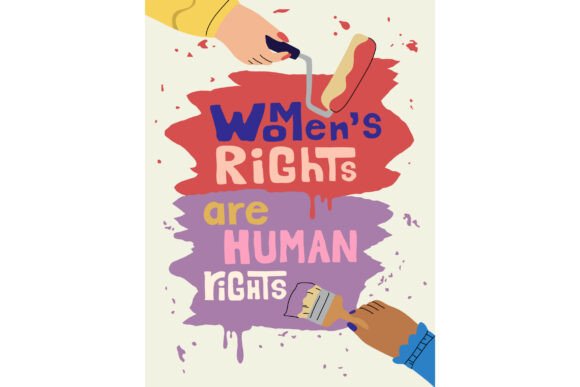
The phrase "Women’s Rights Are Human Rights" is more than a historical slogan; it is a foundational principle of international law and social justice. When paired with expressive visual art, such as an illustration featuring hands painting this message with bold typography and textured paint, the concept transforms from abstract policy into tangible emotion. For creators, educators, and advocates, understanding how to leverage this specific type of imagery is essential for communicating equality and freedom effectively. The combination of strong colors and active brushstrokes symbolizes that gender equity is not a passive state but an ongoing, collective action requiring participation from everyone.
Understanding the Core Message and Visual Symbolism
At its simplest level, asserting that women's rights are human rights means that females are entitled to the same fundamental freedoms, protections, and opportunities as males simply by virtue of being human. This includes freedom from violence, access to education, economic independence, and political participation. However, explaining these legal frameworks can sometimes feel dry or inaccessible to a general audience. This is where expressive illustration becomes a vital communication tool.
An image depicting hands actively painting the slogan bridges the gap between intellectual understanding and emotional resonance. The hands represent agency and collaboration, suggesting that equality is built through deliberate effort rather than granted passively. The use of textured paint and strong colors in digital assets conveys urgency and vitality. When you utilize a vector file like an SVG for this purpose, you ensure that the bold typography remains crisp and impactful whether it is displayed on a small social media card or a massive protest banner. The visual texture mimics traditional art, adding a layer of authenticity and human touch that flat, corporate graphics often lack.
Why Expressive Art Resonates in Advocacy
People connect with stories and symbols faster than they process statistics. An illustration showing the act of creation—hands holding brushes, paint splashing, letters forming—mirrors the real-world work of activism. It validates the struggle for justice as a creative and constructive process. For marketers and content creators, this distinction matters. Using imagery that feels handcrafted and expressive signals to your audience that your commitment to the cause is genuine. It moves beyond performative allyship into the realm of shared values, making the message of women's freedom feel personal and immediate.
Practical Applications Across Digital and Physical Media
The versatility of an SVG illustration featuring this powerful message makes it suitable for a wide range of professional and personal projects. Because SVGs are resolution-independent, they maintain perfect clarity at any size, which is crucial for multi-platform campaigns.
- Educational Materials: Teachers and trainers can use these illustrations in slide decks, worksheets, and classroom posters to introduce discussions about gender equality. The artistic style engages students who might otherwise tune out text-heavy lectures, serving as a visual anchor for complex conversations about justice.
- Social Media Campaigns: Non-profits and influencers can overlay the bold typography onto photos or use the standalone graphic to stop the scroll. The strong colors perform well in algorithms that favor high-contrast visuals, helping spread awareness about women’s rights efficiently.
- Merchandise and Fundraising: Small business owners and activists can apply the design to t-shirts, tote bags, and stickers. The textured paint aesthetic translates beautifully to fabric printing, creating wearable advocacy items that supporters are proud to display.
- Corporate DEI Initiatives: Companies celebrating International Women’s Day or updating internal policies can use expressive art in newsletters and office signage. This avoids the sterile look of generic stock photography and demonstrates a deeper cultural appreciation for the movement.
- Editorial and Blog Content: Writers covering gender politics can use the illustration as a featured image to set the tone. It visually summarizes the article’s thesis before the reader even begins the first paragraph.
Technical Benefits of Vector Formats
Choosing an SVG file for this specific type of artwork offers distinct advantages over raster formats like JPEG or PNG. Since the illustration relies on bold typography and defined shapes, vectors allow you to scale the image infinitely without pixelation. You can also easily modify the color palette within the code to match your brand guidelines or campaign theme while retaining the original textured aesthetic. This flexibility is invaluable for freelancers and designers who need to adapt a single asset for various clients or contexts without losing quality or impact.
Key Considerations for Ethical and Effective Use
While the visual appeal of expressive illustration is significant, using imagery related to women’s rights requires mindfulness and respect. The goal is to amplify the message, not to appropriate the struggle for aesthetic gain. Before incorporating this type of art into your project, consider the following factors to ensure your usage aligns with the principles of equality and justice.
Context and Authenticity
Always evaluate whether the imagery matches the intent of your content. If you are discussing serious policy violations or systemic abuse, an overly whimsical or decorative interpretation might undermine the gravity of the topic. The illustration described here, with its strong colors and active hands, strikes a balance between hope and determination, making it appropriate for empowerment and advocacy. However, ensure the surrounding text supports the visual weight. Empty platitudes paired with powerful art can feel disingenuous. Your content should offer substance, resources, or actionable insights that honor the fight for women’s freedom.
Licensing and Creator Support
When sourcing illustrations of "Women’s Rights Are Human Rights," pay close attention to licensing terms. Supporting artists who create advocacy art is, in itself, an act of supporting women’s economic rights. Verify whether the asset is free for commercial use or if it requires attribution or purchase. Using stolen or uncredited art to promote human rights creates a contradiction that undermines the ethical foundation of your message. Whenever possible, commission original work or purchase licenses from creators whose values align with the cause.
Inclusivity in Representation
The fight for women’s rights encompasses all women, regardless of race, ability, age, or background. While an abstract illustration of hands painting a message avoids specific demographic representation, be mindful of the skin tones depicted if they are visible. Ensure the colors chosen do not inadvertently exclude or stereotype. Furthermore, consider how the bold typography interacts with accessibility standards. Strong colors should have sufficient contrast ratios to remain readable for visually impaired audiences. True advocacy includes everyone, and your design choices should reflect that commitment to universal access.
Moving From Awareness to Action
Ultimately, an expressive illustration serves as a starting point for dialogue and change. It captures attention and stirs emotion, but it is the accompanying action that fulfills the promise of the message. Whether you are a blogger writing about wage gaps, a teacher fostering empathy in young learners, or a business leader restructuring hiring practices, let the visual serve as a reminder of the work ahead. The hands in the painting are never finished; they are always in motion, adding new layers and refining the message. By integrating this symbolic art thoughtfully into your work, you contribute to a broader cultural narrative that refuses to settle for anything less than full equality. The power lies not just in seeing the image, but in letting it inspire concrete steps toward a more just world.