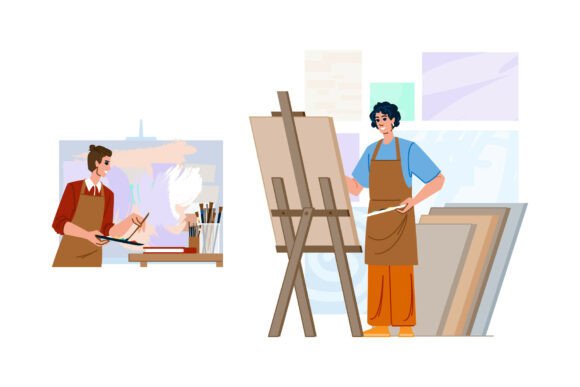
Artists Painting Creativity Fine Art in the Modern Studio
Artists painting creativity fine art in today’s studios are more than just creators—they’re innovators, communicators, and storytellers. Whether working with oils, acrylics, watercolors, or mixed media, these artists engage in a deeply personal and professional journey that blends skill, emotion, and vision. The process of painting on canvases in a dedicated studio space offers a unique opportunity to refine techniques, explore new ideas, and produce work that resonates with audiences across a range of environments.
The Creative Process: A Deeper Look
At the heart of artists painting creativity fine art in is the act of creation itself. This process often begins with inspiration—whether drawn from nature, emotion, memory, or contemporary themes. Artists use brushes, palettes, and canvases to translate abstract thoughts into visual form. This transformation is both technical and expressive, requiring not only mastery of tools but also an understanding of composition, color theory, and emotional nuance.
In a studio setting, artists have the freedom to experiment without distraction. They can layer textures, test color combinations, and refine brushwork in ways that might not be possible in a less controlled environment. The studio becomes a sanctuary for growth, where each session contributes to the development of a unique artistic voice.
Key Characteristics of Fine Art Painting
- Emotional depth – Fine art often communicates feelings and ideas beyond literal representation.
- Technical skill – Mastery of brushwork, shading, and composition is essential.
- Originality – Each piece reflects the artist’s individual perspective and creative choices.
- Material versatility – Artists may work with oils, acrylics, watercolors, or digital tools depending on the desired effect.
Practical Applications Across Industries
The value of artists painting creativity fine art in extends far beyond personal expression. In professional and commercial contexts, fine art plays a key role in branding, interior design, advertising, and even digital media. For example:
- Interior design – Fine art enhances residential and commercial spaces, adding personality and sophistication.
- Marketing and branding – Unique visual content helps businesses stand out and convey their values through curated aesthetics.
- Education – Teaching fine art fosters creativity, critical thinking, and cultural appreciation.
- Digital platforms – Artists increasingly share their work online, building communities and monetizing through prints, NFTs, or commissions.
Many entrepreneurs and marketers recognize the power of visual storytelling. Fine art can be used in campaigns, packaging, or office environments to create a distinctive brand identity that resonates emotionally with customers.
Benefits of Fine Art in Creative and Professional Settings
Engaging with artists painting creativity fine art in environments can lead to numerous benefits, including:
- Enhanced communication – Art conveys complex ideas and emotions in ways that words alone cannot.
- Increased engagement – Visually compelling content captures attention more effectively.
- Improved branding – Custom artwork adds authenticity and differentiation to a business or product.
- Higher productivity – A creative workspace filled with inspiring visuals can boost motivation and focus.
For educators and institutions, incorporating fine art into curricula supports emotional development and encourages students to think creatively about problem-solving and self-expression.
Choosing the Right Tools and Environment
Whether you're an emerging artist or a business seeking to collaborate with one, selecting the right materials and studio setup is crucial. Consider the following when working with or creating fine art:
- Quality of materials – Invest in durable brushes, archival canvases, and lightfast paints for long-lasting results.
- Studio lighting – Natural light or full-spectrum bulbs help ensure accurate color perception.
- Workspace organization – A clean, well-arranged studio supports efficiency and inspiration.
- Comfort and ergonomics – Proper seating and easel height reduce physical strain during long painting sessions.
For digital artists or those blending traditional and digital techniques, consider integrating tools like graphic tablets, scanning equipment, and editing software to expand creative possibilities.
Real-World Use Cases
Let’s look at a few realistic scenarios where artists painting creativity fine art in studios have made a meaningful impact:
- A local café commissioning a mural – The mural becomes a focal point, drawing in foot traffic and enhancing the customer experience.
- A tech startup using original art in office design – The artwork reflects company culture and fosters a creative atmosphere.
- An independent artist selling prints online – By building a digital presence, the artist reaches a global audience and generates passive income.
- A school integrating fine art into STEM programs – Students develop a more holistic approach to learning through creative problem-solving.
These examples show how fine art is not confined to galleries but plays a dynamic role in everyday life and business.
Final Thoughts and Recommendations
Whether you’re an artist looking to refine your craft or a professional seeking to incorporate fine art into your work, understanding the value of artists painting creativity fine art in is essential. Prioritize quality, authenticity, and intention in every brushstroke. Embrace both traditional techniques and modern tools to stay relevant and inspired.
Collaborate with artists whose style aligns with your goals, and don’t underestimate the impact of a well-placed piece of original art in any environment. Whether it’s for personal fulfillment, professional branding, or educational enrichment, the world of fine art offers endless opportunities for growth and connection.